Why did the baker go to the bank?
He needed dough!
(It’s a rising success as a joke, I think!)

Why did the baker go to the bank?
He needed dough!
(It’s a rising success as a joke, I think!)
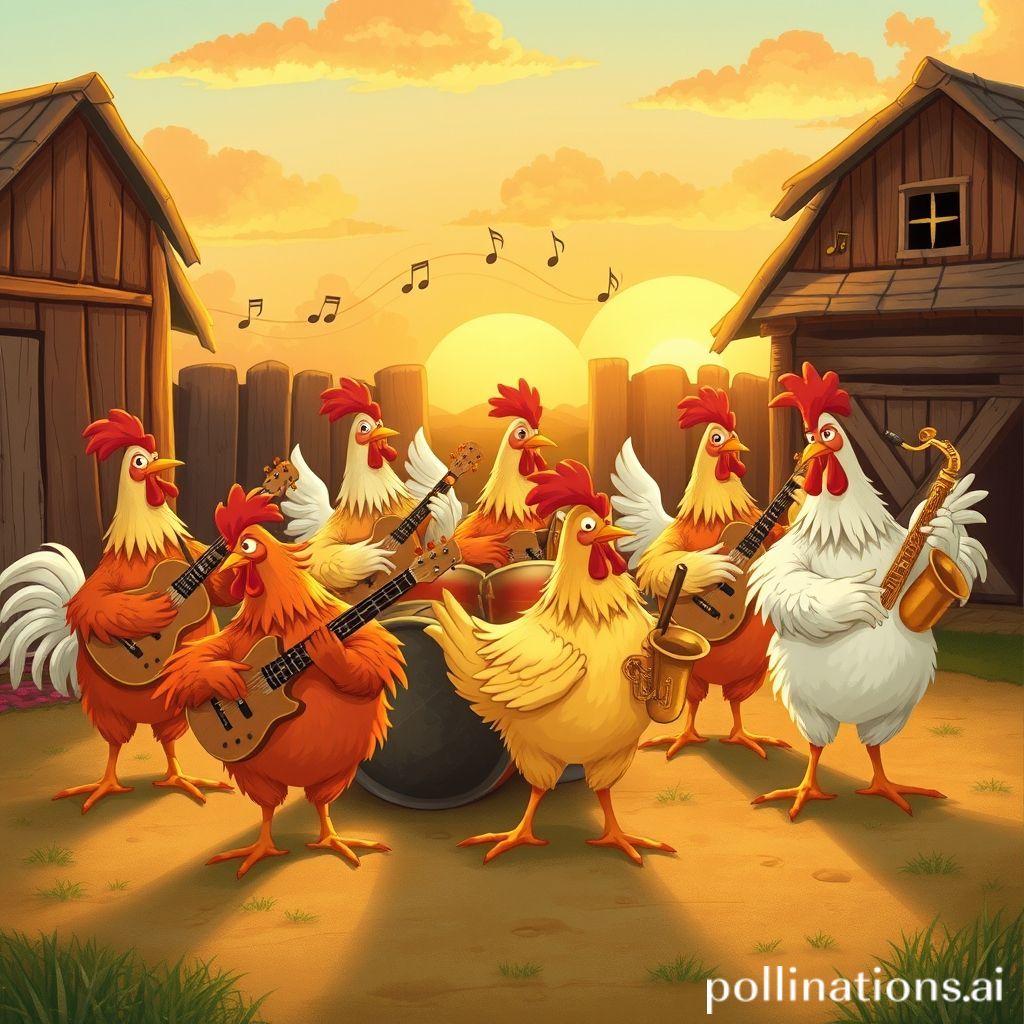
What do you call a group of chickens playing instruments?
A fowl orchestra!
(I hope that one made you cluck with laughter!)

Why did the tomato turn red?
Because it saw the salad dressing!
(It’s a fruit-ful pun, if I do say so myself!)
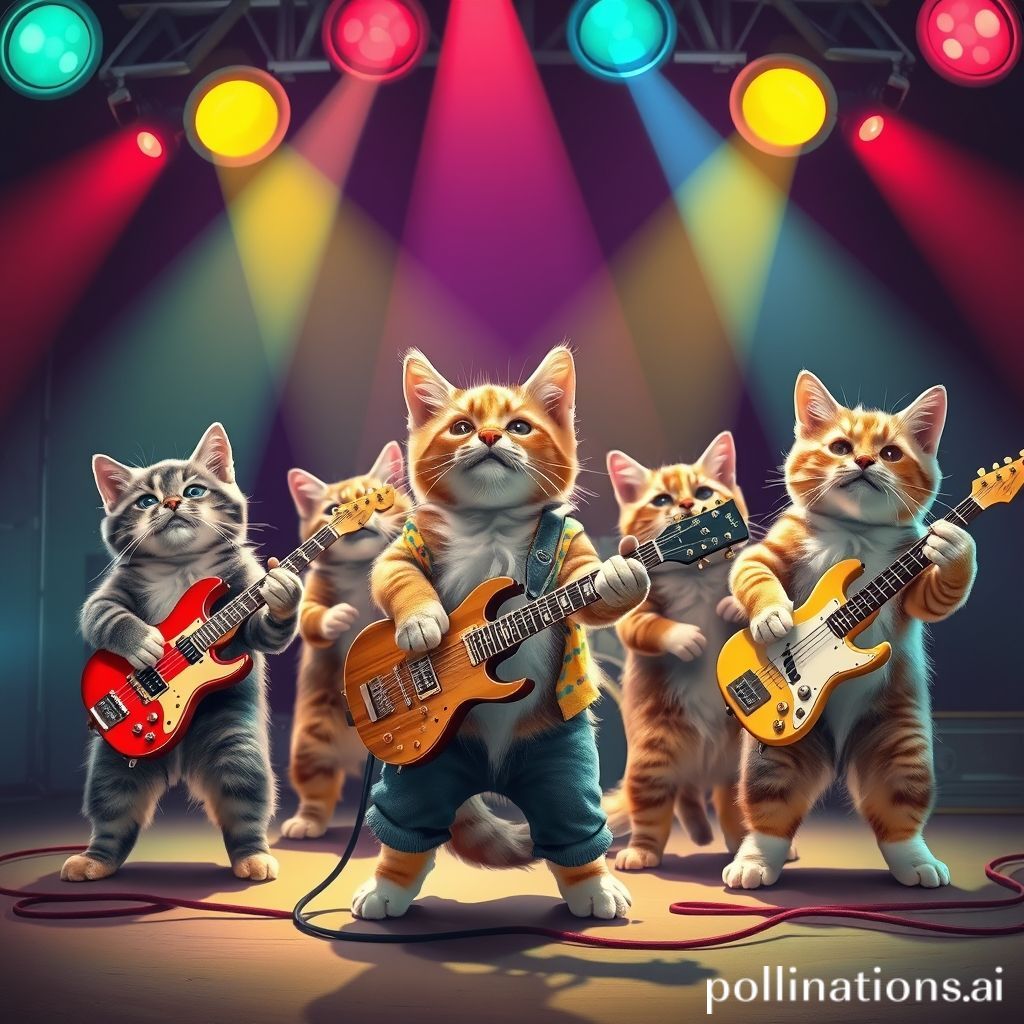
What do you call a group of cats playing instruments in a rock band?
A mew-sical mayhem!
(I hope that one struck a chord with you!)
n modern cloud-native applications, security is paramount to ensure the integrity and authenticity of container images. This is where container image signing and verification come into play. In this blog post, we will explore how to implement container image signing and verification in Kubernetes using Sigstore Cosign, Notary v2, and OPA Gatekeeper.
In the past, it was easy for an attacker to replace a vulnerable package with a malicious one. However, with containerization, the risks have increased exponentially due to the ephemeral nature of containers. Sigstore Cosign, Notary v2, and OPA Gatekeeper provide a robust solution to mitigate these risks by enabling the signing and verification of container images.
To implement container image signing and verification in Kubernetes, we will use the following tools:
To create a notarized container image, we will use Sigstore Cosign and Notary v2. Here is an example:
# Import the required modules
Import-Module SigstoreCosign

# Create a new Cosign key pair
$cosignKey = New-CosignKey -privatekey <path_to_private_key>
$publicKey = Get-CosignPublicKey -key $cosignKey

# Sign the container image
Sign-DockerImage -image <path_to_image> -privatekey $cosignKey

# Create a digital notarization for the signed container image
Create-NotaryCertification -image <path_to_image> -publickey $publicKeyTo verify a container image, we will use Sigstore Cosign and Notary v2. Here is an example:
# Import the required modules
Import-Module SigstoreCosign

# Verify the digital notarization for the container image
Verify-DockerImage -image <path_to_image> -publickey <path_to_public_key>

# Check if the verification was successful
if ($result -eq $true) {
    Write-Host "Container image verified successfully"
} else {
    Write-Host "Verification failed. Please check the digital notarization."
}Sigstore Cosign is a tool that enables container image signing and verification. It provides a secure way to sign and verify container images, ensuring their integrity and authenticity.
New-CosignKey cmdlet.Sign-DockerImage cmdlet to sign the container image with your private key.Create-NotaryCertification cmdlet.Notary v2 is a tool that enables the creation of a digital notarization service for container images. It provides an additional layer of security to ensure the authenticity of container images.
Create-Notary cmdlet.OPA Gatekeeper is a tool that provides a policy-as-code approach for defining access control policies. It ensures that only authorized containers can be executed in the cluster.
Create-OPAGatekeeper cmdlet.New-OPAPolicy cmdlet.Add-ContainerPolicy cmdlet.In this blog post, we explored how to implement container image signing and verification in Kubernetes using Sigstore Cosign, Notary v2, and OPA Gatekeeper. By following these steps, you can ensure the integrity and authenticity of your container images, preventing malicious attacks from compromising your application.
Key Takeaway: Implementing container image signing and verification is crucial for ensuring the security of your cloud-native applications. Use Sigstore Cosign, Notary v2, and OPA Gatekeeper to create a robust solution that protects your container images from tampering and unauthorized access.

Why did the computer go to therapy?
It had a virus!
(It’s a byte-sized bit of humor, if I do say so myself!)

What do you call a dog that does magic tricks?
A labracadabrador!
(I think this one is ruff-ly hilarious!)
Why did the cat join a band?
Because it wanted to be the purr-cussionist!
(It’s a claw-some pun, if I do say so myself!)

What do you call a bear that likes to dance?
A grizzly groover!
(I hope that one made you moan for more!)

Why did the orange stop in the middle of the road?
Because it ran out of juice!
(Who knew oranges could be so citrus-ally funny?)